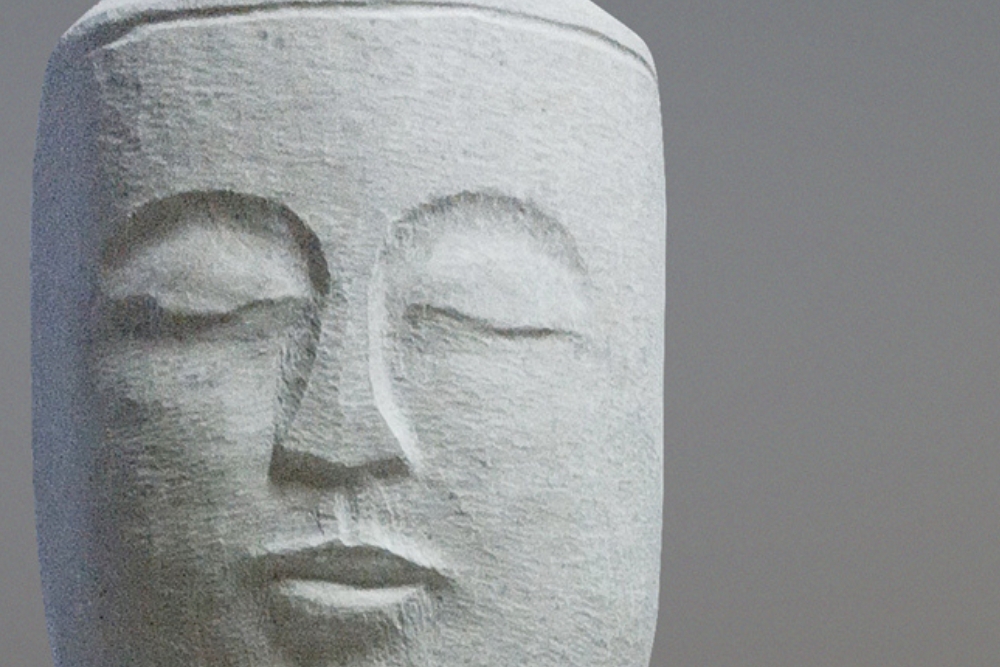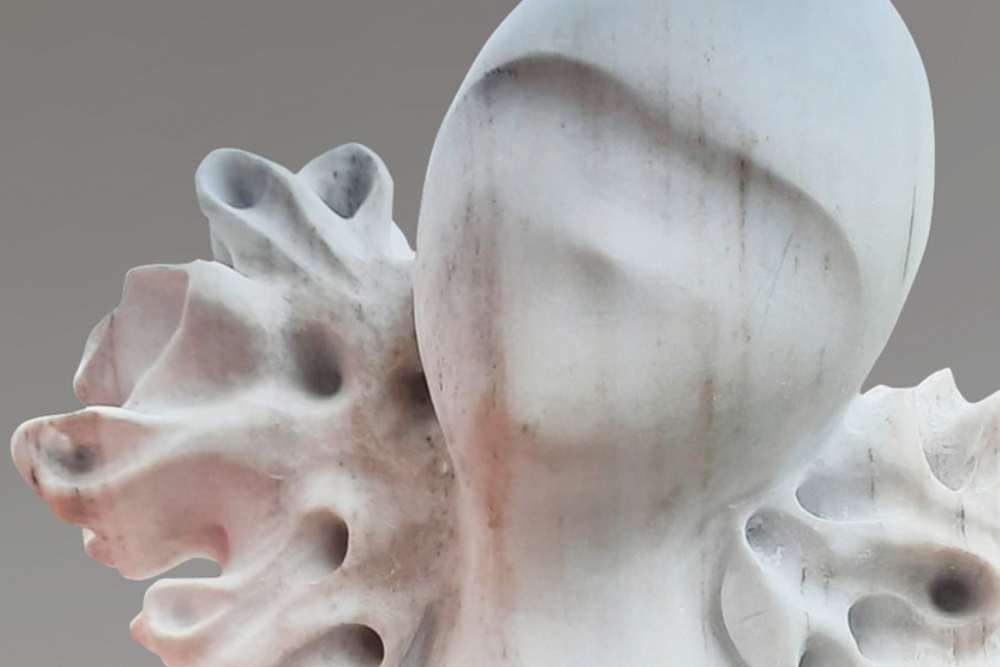
Welcome! You are sitting on the Tradition Bench!
Next to You is the artwork by Lara Steffe, inspired by craftsmanship, tradition, and in particular by Gorizian lace, introduced to Gorizia by the Ursuline Sisters. These highly skilled women managed to preserve and pass down a refined art form over time, transforming it into one of the most representative local excellences.
In this video, the sculptor shares the creative process and the motivations that guided him in creating the artwork.
We chose to dedicate this bench to a historical figure of great importance to Gorizia, deeply connected to the theme of craftsmanship and, specifically, to Gorizian lace: Caterina Lambertina, one of the founders of the Ursuline convent established in the city in 1672.
You can learn more about her story through a video inspired by her life, a brief biography, and a curated selection of in-depth resources.
And now, a few words about the “Narrating Benches” project, created by Confcommercio Gorizia for the initiative Borgo Castello. A thousand years of history at the heart of Europe.
Each of these benches is a piece of urban art and a precious chest that holds fragments of history, traditions, sounds, colors, and tales from Borgo Castello and the Gorizia region.
Imagine, for a moment, the city as a rich tapestry of threads and hues: each bench represents one motif, chosen for its importance and uniqueness.
The themes? History, Nature, Craftsmanship, and Food and Wine.
Explore the contents of this page and stroll through the Borgo in search of the other benches!
We suggest walking along Viale Gabriele D’Annunzio, almost to the Leopoldina Gate, and then returning here, to Via Rastello, continuing on until you reach Piazza Vittoria.
The Artist Speaks: Where Inspiration is Born
Lara Steffe
Once upon a time: Caterina Lambertina and the Ursuline convent of Gorizia
Caterina Lambertina Pauwels-Strauven, born on March 6, 1633, into a noble Flemish family, left an indelible mark on the religious, educational, and cultural history of Gorizia. After taking her vows in 1672, she was sent to the Isonzo city by papal nuncio Mons. Mario Albrici to establish a new Ursuline community.
Despite early hardships—an inadequate living space, limited financial resources, and a plague epidemic that delayed the construction of the new monastery—the Ursulines established a boarding school for young girls, as well as an external day school for non-resident students.
Over time, thanks to donations and dowries from the nuns—many of whom came from Gorizia’s noble families—the order acquired a vast land estate. Their names can still be found in the archives of the Ursuline Mothers in Gorizia.
The order’s contribution to the city was deep and lasting. In addition to religious and cultural education, the sisters introduced bobbin lace-making. Already in 1679, lace produced in Gorizia was being exported as far as Vienna, admired for its floral and geometric designs, crafted using bobbins and natural or metallic threads.
The Ursuline Mothers also promoted the transmission of practical and domestic knowledge: they compiled cookbooks and household management texts, helping to shape capable, devout, and self-reliant young women.
Today, Gorizian lace is protected by a collective trademark and celebrated through cultural events, exhibitions, and local products—such as the sweet treat named Lambertina.
Video created using the rotoscope technique by Armando “Miron” Polacco.
Little-known images of the Borgo and its people

Piazza Cavour

Parco Rimembranza

Parco Rimembranza

Via Rastello

Piazza Vittoria

Piazza Vittoria

Corso Italia

Piazza Vittoria

Via Garibaldi

Vista panoramica Castello
Vintage photos from private collections and from “Gorizia a promenade: streets, places, people in postcards from the Mischou collection”
Gorizia Savings Bank Foundation.
Further Readings and Web Resources
If you would like to learn more about the life of Caterina Lambertina, here is a curated selection of resources: an overview for those who wish to go further, following the traces of history.
https://www.dizionariobiograficodeifriulani.it/pauli-stravius-caterina-lambertina/
https://www.borcsanroc.it/site/index.php?area=4&subarea=1&formato=scheda&id=99
https://www.youtube.com/watch?v=ljZfJInf68k
https://www.voceisontina.eu/2016/04/26/larchivio-del-monastero-di-s-orsola-donato-alla-diocesi/
THE OTHER BENCHES
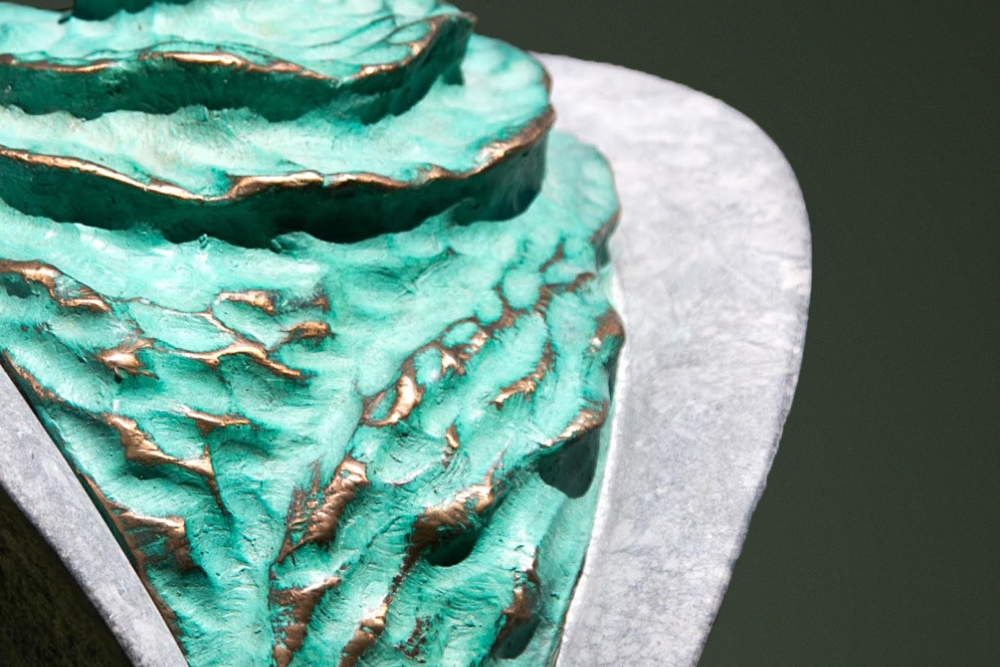
Welcome! You are sitting on the Nature Bench!
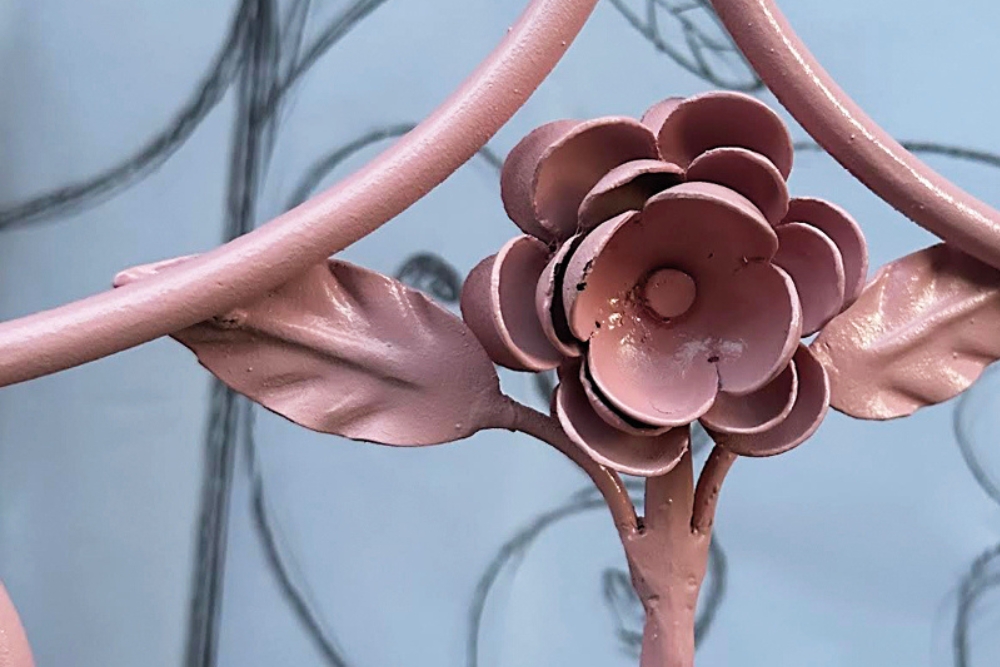
Welcome! You’re sitting on the History Bench!