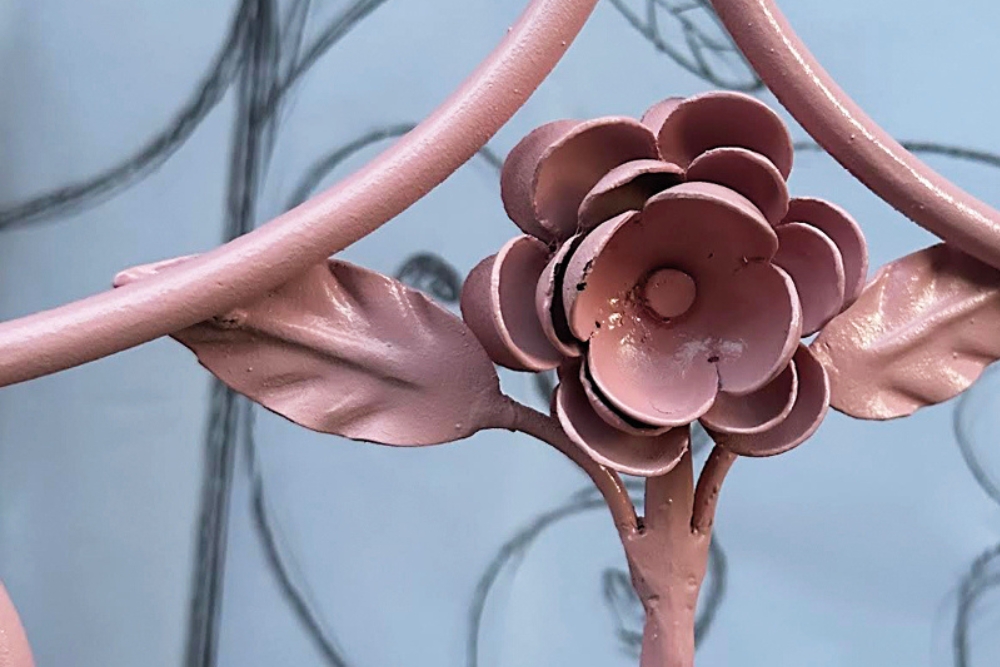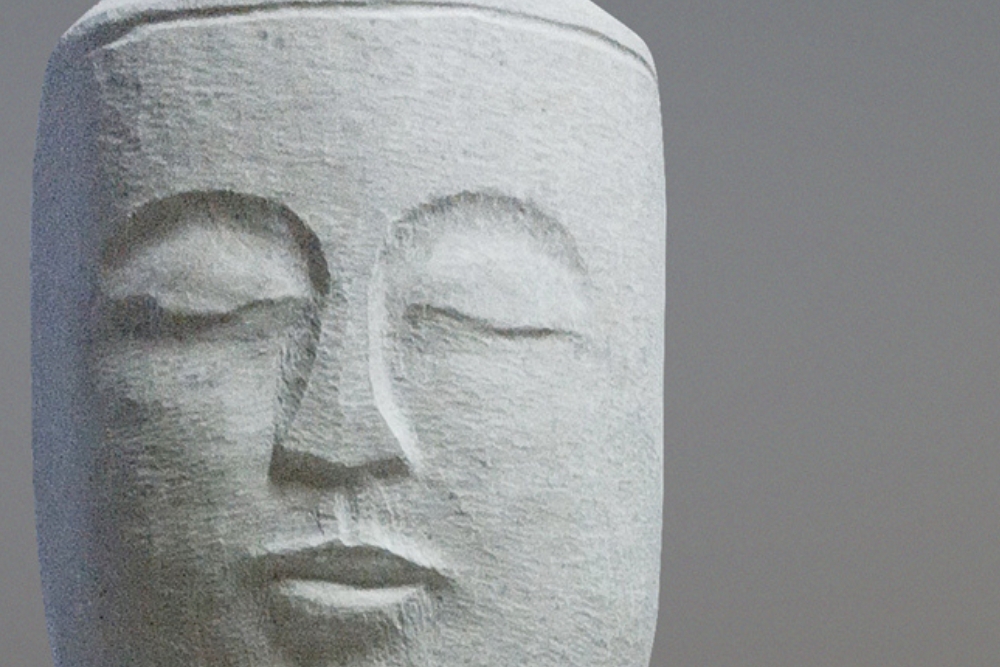
Welcome! You are sitting on the Food and Wine Bench!
In this video, the sculptor shares the creative process and the motivations that guided him in creating the artwork.
We chose to link this bench to a unique Gorizian figure, about whom little is known—but what we do know fits perfectly with our theme and will almost let you smell the sweetness: the offelliere (pastry chef) Giovanni Glessig. You can learn about this character through a video inspired by him and discover what history has preserved.
And now, a few words about the “Narrating Benches” project, created by Confcommercio Gorizia for the initiative Borgo Castello. A thousand years of history at the heart of Europe.
Each of these benches is a piece of urban art and a precious chest that holds fragments of history, traditions, sounds, colors, and tales from Borgo Castello and the Gorizia region.
Imagine, for a moment, the city as a rich tapestry of threads and hues: each bench represents one motif, chosen for its importance and uniqueness.
The themes? History, Nature, Craftsmanship, and Food and Wine.
Explore the contents of this page and stroll through the Borgo in search of the other benches!
We recommend walking along Via Rastello and heading up toward the Castle, all the way to the Leopoldina Gate, via Viale Gabriele D’Annunzio.
The Artist Speaks: Where Inspiration is Born
Paolo Figar
Once Upon a Time: Giovanni Glessig, the offelliere of Via Rastello
Giovanni Glessig was an offelliere, or pastry chef, who lived in Gorizia between the late 19th and early 20th centuries.
Little is known about his life, but his name appears several times in the essay Gorizia di altri tempi by Ranieri Mario Cossar, written in 1934.
He ran his shop at number 6 Via Rastello. Over time, the street numbering has changed considerably, making it difficult today to locate the original position of the shop. This street, the commercial heart of Gorizia for centuries, also hosted Glessig’s business, which—according to the accounts and details gathered by Cossar—must have been greatly appreciated for the quality and authenticity of its products.
It is easy to imagine Glessig as a content man, proud of his craft, made even more rewarding by the joy his sweets brought to adults and children alike.
For the feast of Saint Nicholas of Bari, on December 6th, Glessig followed a tradition shared by many other offellieri in Gorizia: he would decorate his shop window with a large, splendid statue of the bearded bishop, which—as Cossar recalls—“attracted the attention of schoolchildren.”
During this festive period, his shop windows became a triumph of treats: plates and trays of wavy glass filled with marrons glacés, bars of nougat, whole melons, and other specialties from local tradition.
In spring, he offered pinze and puff-pastry offelle with a delicious filling, known as gubane, alongside presnitz alla goriziana, titole (or fràris), and sweet colombine. The latter, made from braided dough, held a colored egg in the center—often red or in other hues—and were given to children on Easter Day.
Video created using the rotoscope technique by Armando “Miron” Polacco.
Little-known images of the Borgo and its people

Giardini Pubblici

Piazza Vittoria

Vista panoramica dal Castello

Via Mameli

Corso Italia

Castello e Cappella Santo Spirito

Stazione Montesanto

Stazione Montesanto

Piazza Vittoria e Castello

Corso Italia
Vintage photos from private collections and from “Gorizia a promenade: streets, places, people in postcards from the Mischou collection”
Gorizia Savings Bank Foundation.
Further Readings and Web Resources
THE OTHER BENCHES
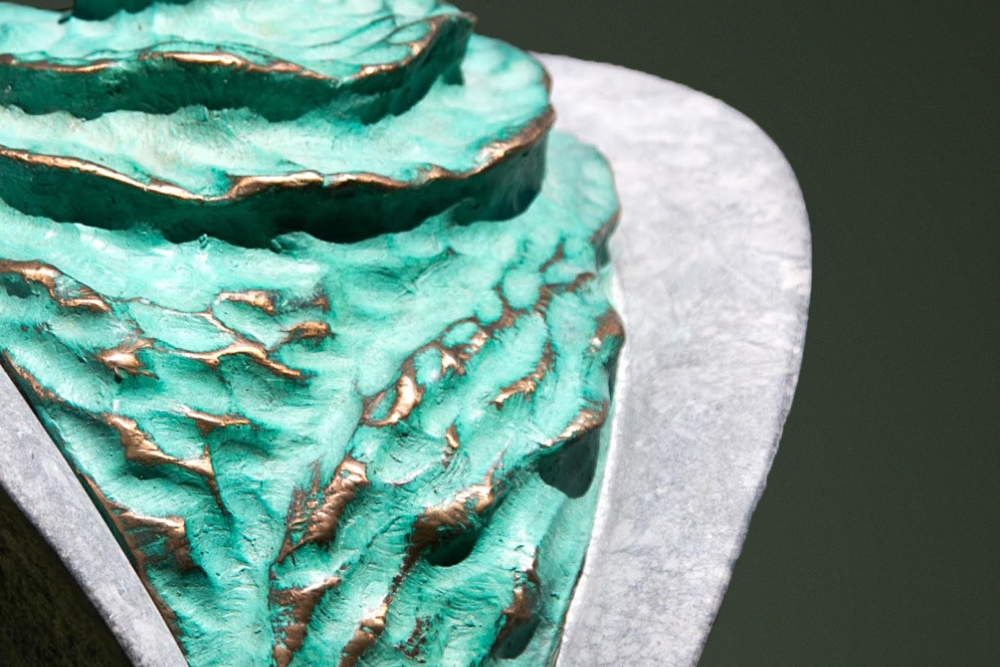
Welcome! You are sitting on the Nature Bench!
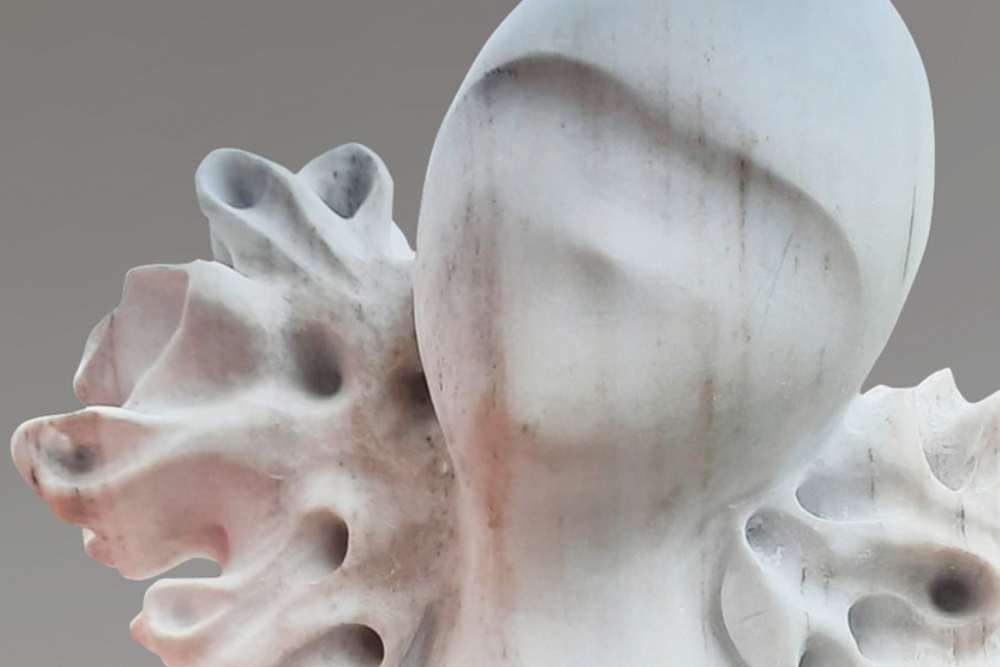
Welcome! You are sitting on the Tradition Bench!